
Picking the right RV bed lift system in NZ comes down to more than just finding something that fits. Load capacity, ventilation, custom sizing, and how the system handles a damp NZ winter — all of it matters. This guide covers what to look for, what to avoid, and which products NZ van builders are actually using.
You've Finished the Build. But Where Does the Bed Go?
You've spent weeks lining the walls, running the wiring, and sorting the self-containment. Then you stand at the back of the van and realise — the bed takes up the entire floor. Every single day. That's the problem a lot of NZ van builders hit late in the process, and it's one of the most frustrating to fix after the fact. A motorised RV bed lift system sorts it properly: bed up during the day, full floor space for gear, a table setup, or just room to move. But not every system suits every van, and buying the wrong one costs you time and money.
The Problems NZ Van Builders Actually Face
If you're converting a van in New Zealand — whether it's a HiAce, a Sprinter, or a Hijet — these are the three issues that come up most:
- Wasted floor space. A fixed bed platform leaves you with a cramped living area 24 hours a day. Fine for a weekend. Not fine if you're living in it.
- Solo operation. Lifting a heavy mattress by yourself every morning to access storage underneath is not a system. It's a daily frustration.
- NZ damp and mould. Our climate — West Coast rain, cold Central Otago nights, damp mornings in the Sounds — creates condensation under mattresses. Trap that moisture against a cold surface and you've got a mould problem within a season.
The Right System Solves All Three
The Custom RV Bed Lift System is a motorised aluminium lift designed specifically for van and RV conversions. It raises and lowers your bed at the press of a button — no lifting, no pulleys, no daily hassle. It's built to your van's exact dimensions, so it fits properly whether you're working with a long-wheelbase Sprinter or a compact HiAce.
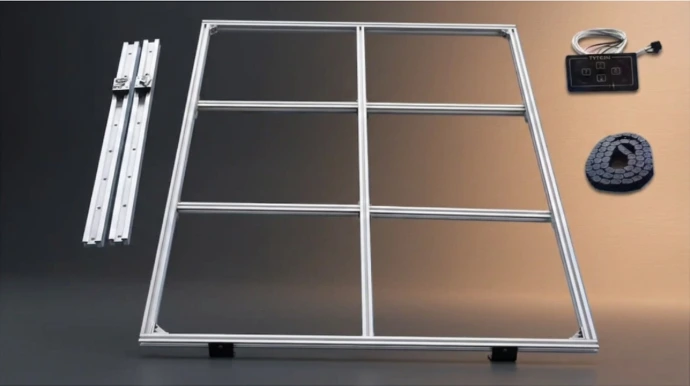
Key Features of the BlackMOA™ RV Bed Lift System
- Aluminium construction — lightweight, corrosion-resistant, and built to handle NZ conditions
- 12V / 24V / 220V power options — works with your existing van electrical setup
- 70 kg standard weight limit — covers a double mattress and bedding; 250 kg capacity available for heavier setups
- Mechanical or touch control panel — simple one-button operation; hold for two seconds to wake, short-press to raise or lower
- Custom sizing — built to your exact internal dimensions, not a generic fit
- Auto shut-off — panel powers down after inactivity so you're not draining your battery
- ETA 6–8 weeks — built to order from our Shanghai facility, shipped with NZ accountability
Don't Skip the Ventilation Step
A lift system gets your bed off the floor. But if you're lifting it flush against the ceiling, you're trapping moisture between the mattress and a cold surface. That's how mould starts.
The fix is straightforward: lay the Underlay 3D Aero-Mesh beneath your foam before the lift goes up. The open mesh structure keeps airflow moving underneath the mattress, preventing condensation build-up on cold nights. It's 200cm x 100cm, cuts to size, and adds almost no weight to your setup. It's a small addition that protects a significant investment.
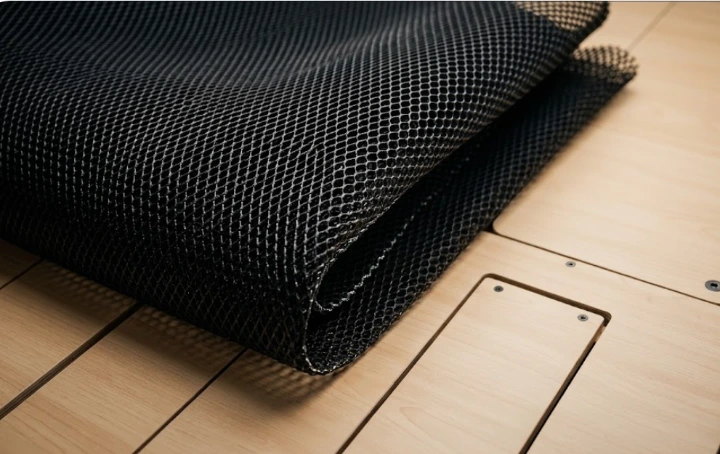
Underlay 3D Aero-Mesh
Match the Mattress to the System
A lift bed is only as good as what sits on it. Standard poly foam compresses quickly and won't support you properly after a few months on the road. Our Custom Foam Covers & Foam is cut to your exact bed shape and covered in durable fabric — available in a range of colours to match your interior. High-density foam keeps its shape and won't leave you with a sore back somewhere between Picton and Christchurch.
What to Check Before You Buy Any Lift System
- Ceiling height — measure from your floor to the ceiling lining, not the roof skin. You need clearance for the bed plus the rails.
- Wall lining width — the rails mount to your van's structure, not the lining. Know your internal width before ordering custom.
- Overhead obstructions — vents, overhead cupboards, and lighting all affect where the rails can sit.
- Load — mattress, bedding, and anything stored on the platform. Know the total weight before specifying the motor.
If you're unsure, get in touch and we'll work through the measurements with you before anything is ordered.
Installation — Do It Once, Do It Right
The lift system mounts to the vehicle's structure. Rails need to be fixed properly, upper and lower limit switches need calibrating, and the wiring needs to be clean and protected. Unless you're confident with 12V electrical and load-bearing specs, have a certified auto-electrician or campervan builder handle the install. It's a one-time job and it's worth doing properly.
For a full overview of what else goes into a van build, read our guide: Top 5 RV Accessories Every Kiwi Camper Needs in 2026.
Ready to Reclaim Your Floor Space?
The BlackMOA™ RV bed lift system is built to your van, rated to carry the load, and backed by a New Zealand registered business. If you're planning a conversion or upgrading an existing build, this is the part that changes how the van feels to live in.
Shop the Custom RV Bed Lift System here — or get in touch if you want to talk through sizing before you order.