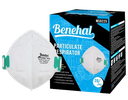
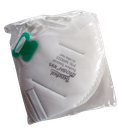
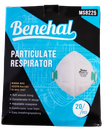
Highlights:
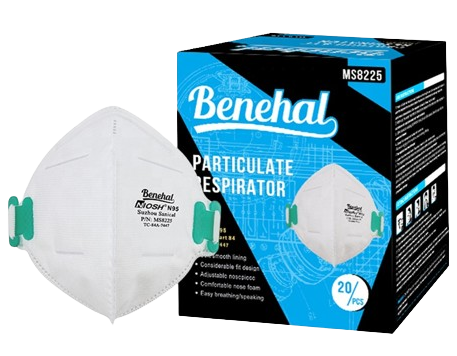
- High Filtration Efficiency: N95 respirators are known for their high filtration efficiency, capable of filtering at least 95% of airborne particles.
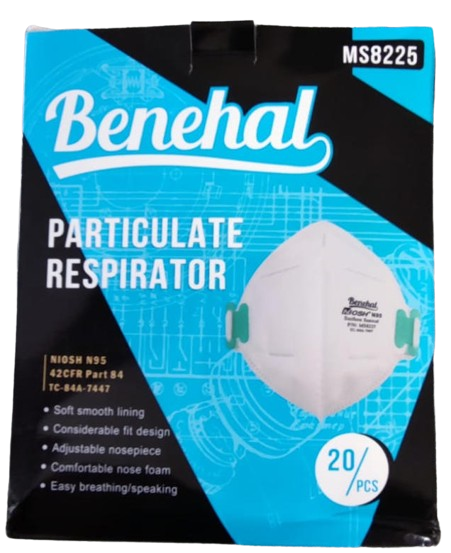
- NIOSH Approval: N95 respirators are typically approved by the National Institute for Occupational Safety and Health (NIOSH), ensuring they meet stringent standards for safety and performance.
- Tight Seal: Effective N95 respirators create a tight seal around the nose and mouth, minimizing the risk of inhaling airborne contaminants.
- Respiratory Protection: Designed to protect against respiratory hazards, N95 masks are commonly used in healthcare settings and industries where airborne particles may pose a risk.
Typical Properties:
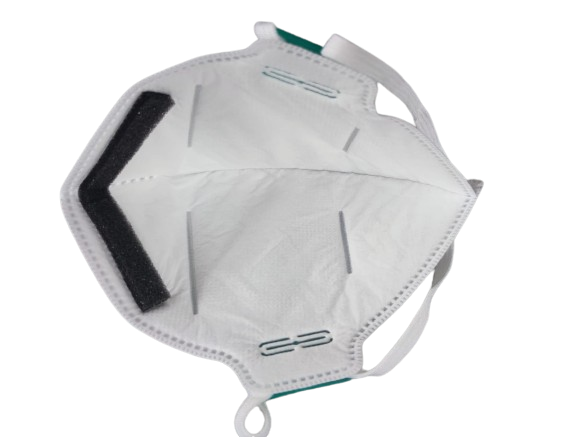
- Material: N95 respirators are constructed from multiple layers of specialized materials, often including non-woven fabrics and electrostatically charged filter media.
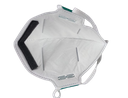
- Adjustable Nose Clip: Many N95 respirators feature an adjustable nose clip to ensure a secure fit and reduce the potential for air leakage.
- Head Straps: Typically equipped with adjustable head straps, N95 masks can be securely fastened to achieve a comfortable and snug fit.
- Exhalation Valve (optional): Some models may include an exhalation valve, enhancing breathability and reducing moisture buildup within the mask.
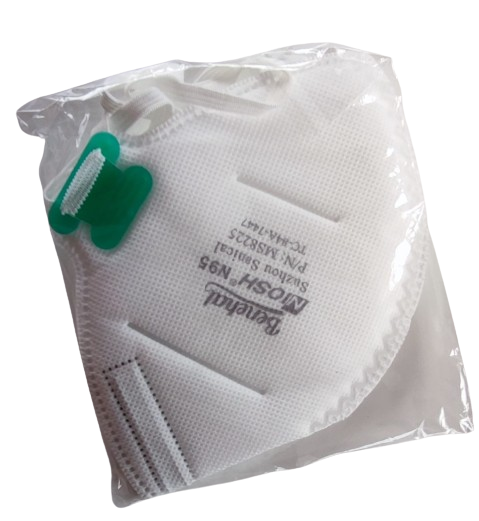
- Disposable: N95 respirators are usually intended for single-use, and users should follow recommended guidelines for proper disposal.
You might also like
Your Dynamic Snippet will be displayed here...
This message is displayed because youy did not provide both a filter and a template to use.